
Investing in Dubai Real Estate: Expert Tips and Insights


Understanding the Dubai Real Estate Market
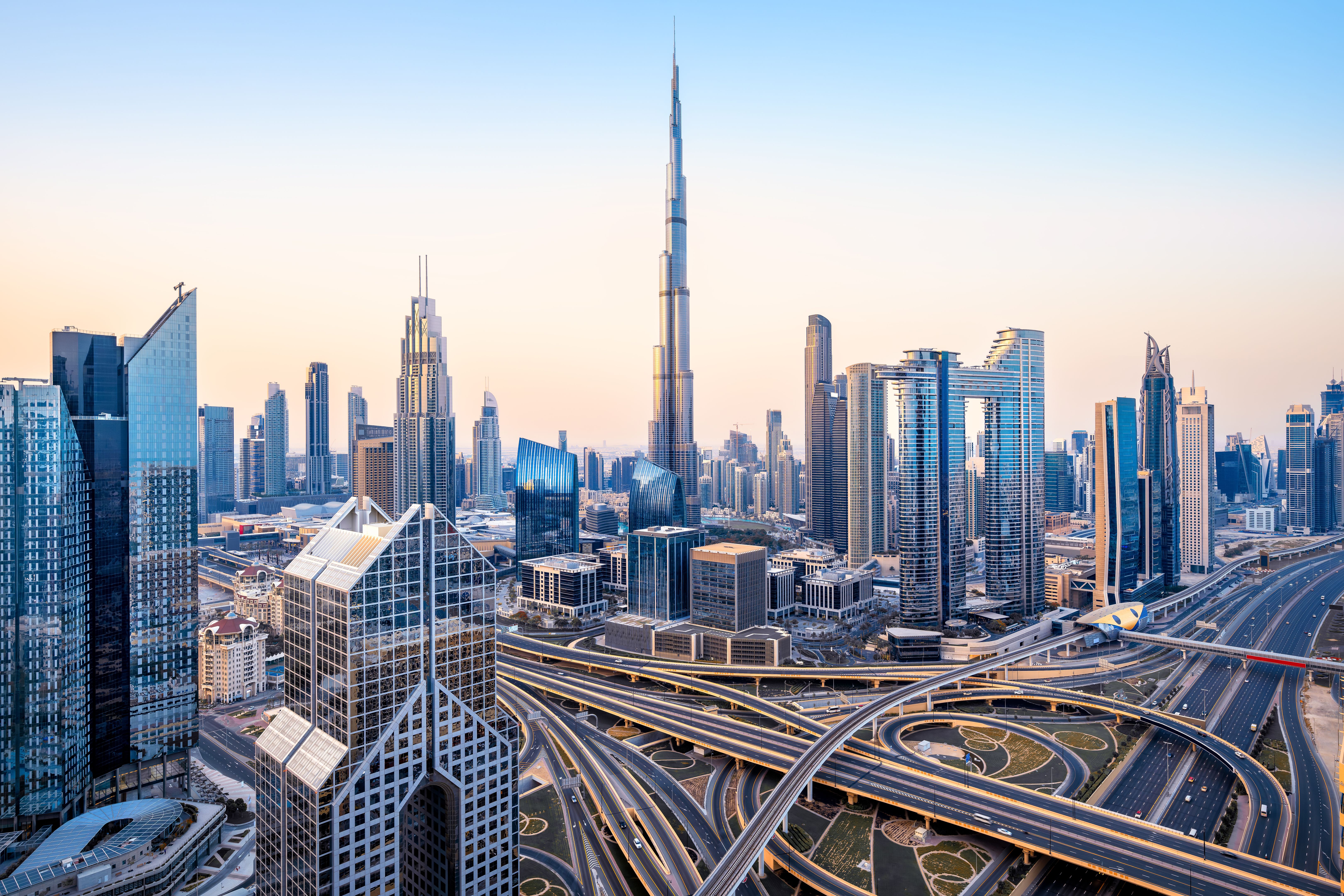
The Dubai real estate market is known for its dynamic nature and rapid growth. Over the past few decades, Dubai has transformed from a desert city into a global hub for luxury living and business. Understanding the nuances of this market is crucial for any investor looking to make informed decisions. The city offers a variety of properties, from lavish villas to modern apartments, catering to both residential and commercial investors.
Investing in Dubai real estate requires an awareness of the legal framework, market trends, and economic factors influencing property values. The city's strategic location, coupled with its status as a tax-free haven, continues to attract investors worldwide. As with any investment, thorough research and expert advice are key to success.
Legal Considerations and Regulations
Foreign investors can purchase freehold properties in designated areas of Dubai. The introduction of freehold areas has opened up opportunities for international buyers, but it's essential to understand the legal implications. Engaging with a reputable real estate agent or legal advisor can help navigate the complexities involved in property transactions.
Additionally, the Dubai Land Department (DLD) regulates real estate activities and ensures transparency. Familiarizing yourself with the registration processes, fees, and regulations is crucial to avoid any legal pitfalls. The DLD also offers an online service for verifying property details, ensuring a secure investment.

Market Trends and Opportunities
Keeping an eye on market trends is essential for identifying lucrative opportunities. Recently, there has been a shift towards sustainable and smart homes, reflecting global environmental trends. Properties offering energy-efficient solutions and smart technologies are becoming increasingly popular among buyers and renters.
Investors should also consider the location's potential for growth. Areas like Dubai Marina, Downtown Dubai, and Business Bay continue to attract high demand due to their strategic locations and amenities. Understanding these trends can guide investors in making decisions that align with market demands.

Financing Options and Strategies
Financing a property in Dubai can be done through local banks that offer mortgage services to both residents and non-residents. It's important to compare interest rates and loan terms to find the best deal. Many banks require a minimum down payment, so having a clear financial plan is crucial.
For those looking to maximize returns, considering off-plan properties can be a viable strategy. These properties are purchased before completion, often at lower prices, offering the potential for significant appreciation. However, this approach requires careful assessment of the developer's reputation and track record.

Maximizing Returns on Investment
To maximize returns, investors should consider both long-term and short-term strategies. Renting out properties can provide a steady income stream, while flipping properties might offer quicker returns. The rental market in Dubai is robust, particularly for properties in prime locations.
Engaging with property management services can enhance rental yields by ensuring properties are well-maintained and marketed effectively. Additionally, staying informed about upcoming infrastructure projects and developments can help investors anticipate areas of growth and increased demand.

Conclusion
Investing in Dubai real estate offers a wealth of opportunities for those willing to navigate its dynamic landscape. By understanding the market, legal requirements, and current trends, investors can make informed decisions that align with their financial goals. Whether you're looking for long-term growth or short-term gains, Dubai's real estate market remains a promising avenue for investment.